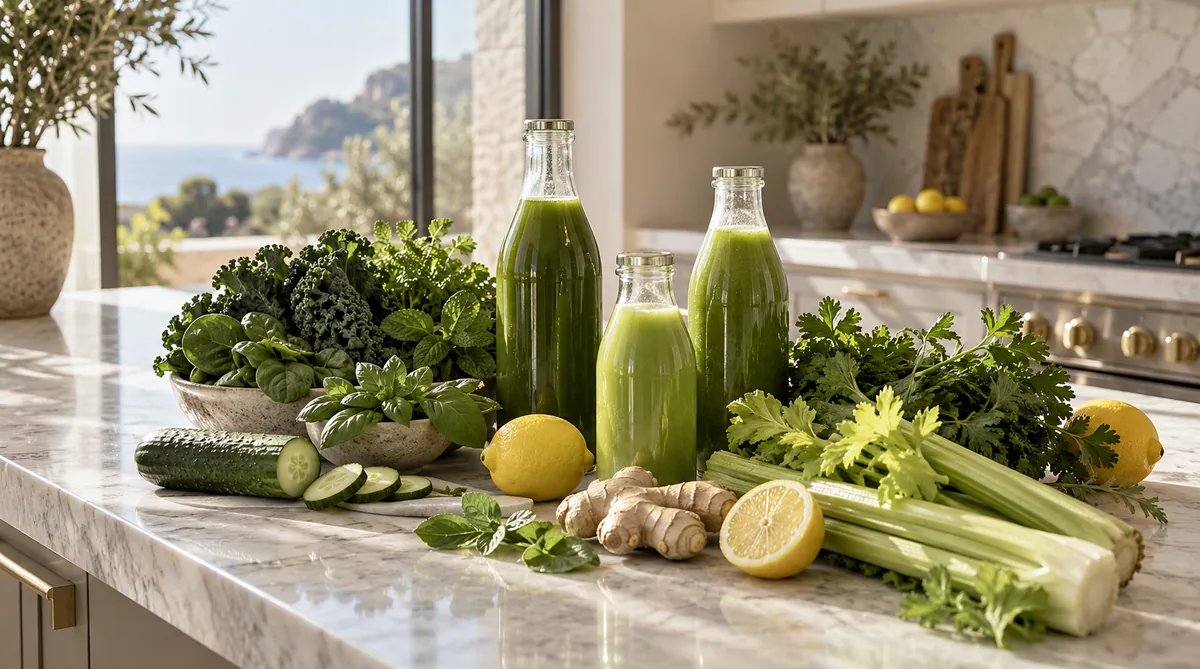
Why food matters so much on a surf retreat
A day of surfing drains the tank. Between the cold water, the paddling and the wipeouts, participants come out of the sea starving, sometimes chilled to the bone, and head back in a few hours later. What they eat between two sessions has a direct effect on their energy, their mood and how keen they are to paddle out again.
For the organiser, food is often the weakest link. You are already managing levels, safety, tide times, equipment and group morale. Add the shopping, three meals a day and everyone’s allergies, and something is bound to slip.
My job is simple: take everything to do with meals off your hands, and turn the table into a real part of the retreat. It is where the group relives the session, laughs about the morning’s wipeouts and comes together. The same goes for more adventure-focused stays, hiking, cycling or kitesurfing: meals that follow the rhythm of the day, not the other way round.
Meals built around the sessions: a typical day
In surfing, the programme depends on the swell and the tides, and it often changes from one day to the next. So every evening I ask for the next day’s session times and adjust when and what we eat. Here is a two-session day on the Exclusive package (breakfast, lunch, dinner and an afternoon snack):
- 7am, before the water: a light snack. Fruit, toast with honey, porridge, coffee and tea. Enough to get going without a heavy stomach.
- 7:30 to 10am: morning session.
- 10:30am, back on land: the real breakfast. Eggs, fresh bread, cheese, yoghurt, homemade granola, fresh juice. Often the most eagerly awaited meal of the day.
- 1:30pm, lunch: filling but easy to digest. Grain and pulse salads, grilled fish or chicken, seasonal vegetables.
- 4:30pm, afternoon snack: before the late session. Homemade cake, dried fruit, bananas.
- 8pm, dinner: more generous, with time to enjoy it. Sharing dishes, fish of the day, dessert.
When the tide calls for a dawn or midday session, I shift everything. If part of the group stays on the beach, I make sure there is food at different times. I am not a nutritionist and I don’t sell a programme: I serve, at the right moment, food that is easy to digest before exercise and truly nourishing afterwards.
Diets, allergies and big appetites
A surf group often mixes very different profiles: vegetarians, vegans, people who avoid gluten or dairy, nut or shellfish allergies, guests who don’t eat pork. Before the stay, I collect this information for every participant and build menus where most dishes suit everyone, with variations when needed.
Nobody gets a separate plate. Vegetarian dishes are designed as proper dishes, not the main course minus the meat. And I don’t forget the appetites: after three hours in the water, generous portions and bread on the table matter as much as the recipe.
Local produce, depending on the spot
I do the shopping myself, at markets, fishmongers and local producers. That is what gives a retreat a real sense of place, and it is often what participants remember.
- French Atlantic coast: Arcachon Bay oysters, fish from the auction, Espelette pepper, squid and sheep’s cheese from the Basque Country.
- Algarve and the Portuguese coast: sardines, octopus, clams, Aljezur sweet potatoes, oranges, figs and local olive oil. I work there regularly, see my page on private chef in the Algarve.
- Spain and the Mediterranean: rockfish, seasonal tomatoes, citrus, fresh herbs, regional cheeses and charcuterie.
When the spot is remote, I locate shops and markets before I arrive and plan the shopping accordingly, so we never run short of the essentials. Fish of the day, seasonal fruit and bread from the village baker change from one meal to the next, which keeps things interesting over a whole week.
How we work together
It all starts with a conversation beforehand, by video call or on WhatsApp. We talk about the venue, the number of participants, the programme, diets, the kitchen equipment and the atmosphere you want at mealtimes. I then send you a menu proposal, which we fine-tune together.
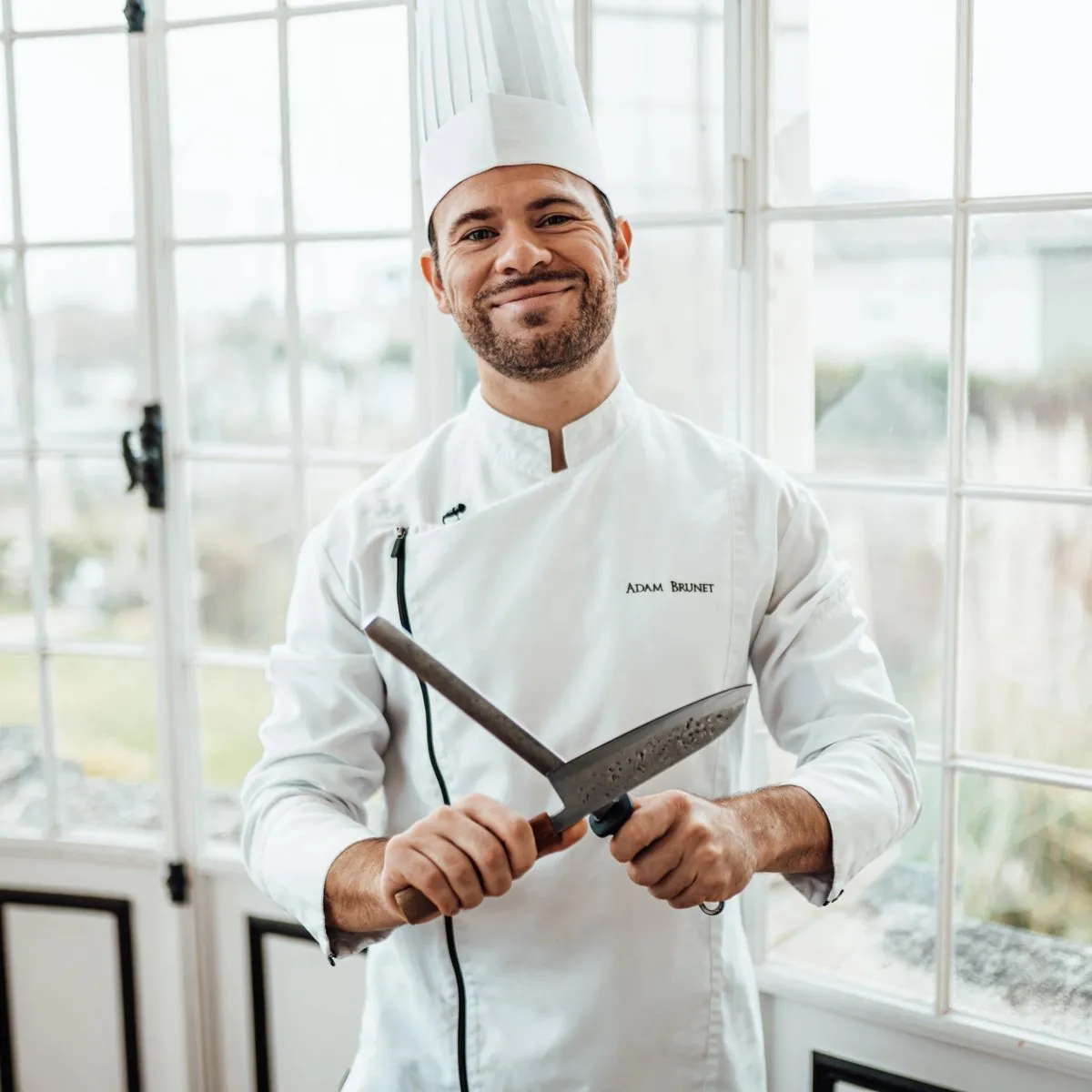
On site, I handle everything to do with the kitchen: the shopping, charged at actual cost with receipts, the cooking, the service and tidying the kitchen after every meal. I work in the house without getting in the way, respecting the group’s rhythm, quiet times and participants’ privacy. Above 15 guests, I recommend adding a server to keep the service smooth.
You have a single point of contact for everything food-related, from the first call to the last dinner. During the stay, adjustments are easy: a session moved, a participant arriving a day late, a special request for the final meal. We talk about it in the evening and I plan for the next day.
What it changes for you and for the group
For the organiser, it means time and attention given back to what makes your retreat great: coaching, safety in the water, looking after each participant. No more thinking about shopping, meal times or allergies.
For participants, it means meals that arrive at the right moment, homemade food with fresh produce, and tables where people take their time. A surf retreat is also judged by what was eaten and shared. If your stay combines surfing and yoga, the approach is the same: you will find more on my page about a private chef for yoga retreats, and all the packages on the private chef for retreats page.